
The Transition Wardrobe: Dressing When the Weather Can’t Make Up Its Mind
You leave the house at 7am in a wool coat and walk home at 6pm carrying it. The morning needed gloves; lunch felt like spring. By the time you sat down at your desk, you’d already changed your mind about your outfit twice.
These are the in-between weeks. Late March into April. Late September into October. The weather is trending one way but hasn’t committed, and your closet is still split into “winter” and “not winter” with nothing in the middle.
Most of what gets written about seasonal dressing is about the rotation itself: when to swap, what to store, what to bring out. That’s the seasonal reset, and it matters. But it doesn’t tell you what to wear in the meantime, when you can’t quite pack the sweaters away and your sandals look ridiculous at 8am.
That’s what a transition wardrobe is for.
A transitional wardrobe is a small, accessible group of pieces that work across a wide temperature range, so you can dress for a 10°C morning and a 22°C afternoon without giving up on the outfit halfway through the day.
The Real Problem Is Cold and Warm on the Same Day.
If the weather were just chilly, you’d dress for chilly. If it were warm, you’d dress for warm. The hard part of transition weeks is dressing for both at once, in the same outfit, with no chance to change between the morning meeting and the afternoon walk.
Most outfits aren’t built for this. A heavy knit handles the morning but cooks you by noon. A lightweight blouse feels right at lunch but gave you goosebumps on the way in. The dress works for the afternoon. The boots work for the morning. The two don’t speak to each other.
Layering is the answer everyone reaches for, and they’re right. But layering only works when the layers are doing real work and the outfit still looks intentional when you take one off. A coat over a t-shirt is technically layered. It’s also half an outfit pretending to be a whole one.
The Pieces That Absorb the Most Variation
Some pieces in your closet are doing more work than others through these weeks. They’re the ones that move easily between temperatures, layer well in both directions, and look right on their own once the layer above comes off.
If you’re auditing your building blocks, these are the ones to pull forward in transition season.
The trench coat
A classic transitional piece for a reason. Light enough not to overheat, structured enough to look intentional, long enough to cover whatever you’re wearing underneath. It handles rain, wind, and unexpected cold without committing you to wool. You can wear it open over a blazer in the morning and carry it folded over your bag by mid-afternoon.
The blazer as a light layer
A blazer over a t-shirt or fine knit is one of the most reliable transition outfits. It reads polished, adds warmth without bulk, and comes off easily. Look for one in a fabric with some structure but not heavy wool. Cotton, linen blends, or lightweight wool work well across spring and fall.
The cardigan
Underrated and often dismissed as too casual. A good cardigan, fitted well, in a fabric that isn’t pilling, becomes a workhorse during transition weeks. It layers over almost anything, packs into a bag without ruining its shape, and goes back on when the building’s air conditioning is too aggressive.
The button-down as a layer
A loose button-down worn over a t-shirt or tank, or over a slip dress, gives you visible structure plus an easy removal option. It works as a top, as a jacket, and as a sleeve over bare arms when the breeze picks up. Cotton, linen, and silk all work, depending on the formality you need.
The cropped knit over a slip or dress
A short knit thrown over a sleeveless dress is one of the best transition combinations there is. The dress is your warm-weather base. The knit handles the chill. When the afternoon warms up, the knit comes off and the outfit underneath is complete on its own.
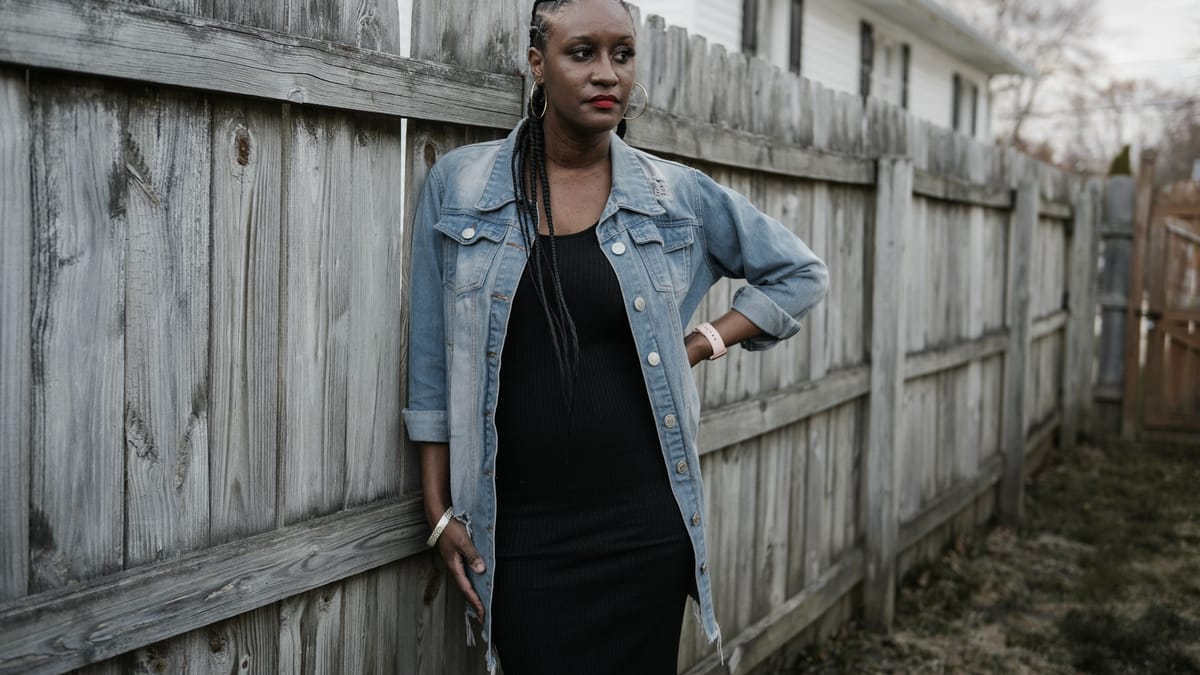
If you want a printable space to map out the layering pieces in your closet, we put together a Seasonal Capsule Planner with a transitional section for exactly this. It gives you somewhere to list the pieces you’re keeping accessible, season by season, so the rotation question stops starting from scratch every March and September.
How to Build an Outfit You Can Shed Without Ruining the Line
This is the part most layering advice skips. It’s easy to add a coat over a finished outfit. It’s harder to make sure that when you take the coat off in a restaurant, what’s underneath still looks like you meant it.
A few rules of thumb help.
Make the base layer a complete outfit. Before you add the cardigan, the blazer, the trench, the look underneath should hold its own. Tucked, fitted, intentional. If the base only works with the layer on top, you’ve built a fragile outfit.
Choose layers that look good open. A coat that only works buttoned is not a transition coat. The pieces that earn their keep in these weeks are the ones that look right open, draped, half-buttoned, or pushed up at the sleeves.
Repeat one color across two layers. When the top layer comes off, color repetition holds the outfit together visually. A cream tee under a cream cardigan over olive trousers reads cohesive in both states. The same tee under a navy blazer can feel disconnected once the blazer is off.
Think about where the layer goes when it’s off. Over your arm, in your bag, on the back of a chair. A bulky cardigan you can’t carry comfortably will make you wish you’d just put up with the heat. Pack-down matters.
If you’ve already built a wardrobe around the 3-piece outfit formula, you’re most of the way there. The 3-piece rule is naturally transitional, because the third layer is designed to come off without leaving the outfit incomplete.
Fabrics That Breathe Through the Swing
The fabric your clothes are made of matters more in transition weeks than at any other time of year. The wrong fabric will betray you within an hour.
Cotton. Breathable, washable, light enough for mild afternoons. A cotton blouse, cotton trousers, a cotton knit. Forgiving across a wide temperature band.
Linen. Cools you when it’s warm and layers easily when it isn’t. The wrinkles are part of how it reads. Linen trousers, linen shirts, linen blends in jackets.
Light wool. Tropical wool, merino, and similar weights regulate temperature far better than heavy winter wool. A merino knit can handle a cool morning and a warm afternoon without making you sweat through it.
Silk. Light, breathable, packs flat in a bag. A silk top under a blazer that comes off mid-afternoon doesn’t leave you in something uncomfortable.
What to avoid in transition weeks. Heavy wool, thick cable knits, sherpa-lined anything, polyester that traps heat. These are winter fabrics. They don’t translate to a 22°C afternoon, no matter how good they looked when you put them on at 7am.
The Morning Shortcut: Dress for the High, Pack for the Low
If you only remember one thing from this guide, make it this.
Check the day’s high. Build your base outfit for that temperature. Then add one removable layer for the morning chill, and put a second one in your bag in case the wind picks up later.
This flips the way most people approach transition dressing. The instinct is to dress for the cold morning, then suffer through the warm afternoon. Reversing it works better, because adding warmth is easy and shedding it is awkward.
You’re not dressing for the worst-case temperature. You’re dressing for the day you’ll actually have, with backup for the moments when it shifts.
Where the Transition Wardrobe Fits
The transition wardrobe lives inside your existing closet. It’s a small group of pieces you keep accessible through the weeks when neither your full winter rotation nor your full summer rotation is right.
When you do the seasonal reset, don’t put your transitional layers in the storage box with the rest. Keep them out. The trench, the cardigans, the lightweight blazers, the button-downs. These bridge the rotation and earn their place in your day-to-day closet through both spring and fall.
If you’re building a capsule that holds up across temperature swings, the transitional pieces are the ones that should anchor it. They’re the most versatile items you own across a calendar year. Treat them accordingly.
And if you’re working with outfit formulas to reduce daily decisions, the transitional formulas are the ones most worth memorizing. A blazer over a tee with trousers. A cardigan over a dress with boots. A trench over anything. These are the looks you’ll reach for forty days out of the year, twice a year. Eighty days. That’s almost a quarter of how often you get dressed.
For days when the forecast won’t sit still, Magnolia checks the weather against the clothes you actually own and suggests outfits that hold up from morning to afternoon. The in-between weeks are exactly where that kind of help earns its keep.
Frequently Asked Questions
How long do transition weeks usually last?
Two to four weeks at each shoulder of the year in most climates. Late March through mid-April in spring. Mid-September through early October in fall. Coastal and temperate climates have longer transitions; continental climates can shift in a week.
Do I really need different pieces, or can I just layer what I already have?
You probably already have most of what you need. Transition dressing is more about which pieces you keep accessible than about buying new ones. A trench, a blazer, a few cardigans, and some button-downs cover most of it. If you’re missing one of those, that’s the gap to fill, not a whole new wardrobe.
What about shoes during transition weeks?
Shoes are the hardest. Boots feel heavy by afternoon; sandals look wrong in the morning. The pieces that hold up best across the swing are closed-toe flats, loafers, low ankle boots, and clean sneakers. Pick one or two pairs you can wear with most of your transitional outfits.
What about rain?
Transition weeks are often wet weeks. A trench coat, a packable rain layer, and waterproof shoes (or shoes you don’t mind getting wet) handle most of it. Build rain readiness into your daily planning during these weeks; checking the forecast becomes a five-second habit.
Is this the same as a capsule wardrobe?
A capsule is the larger structure. The transitional wardrobe is a subset, the pieces inside your capsule that handle the in-between weeks specifically. If you’ve built a capsule that anchors your year, the transition pieces are the ones doing the heaviest lifting twice annually.
Free resource: Seasonal Capsule Planner A printable planner for organizing your wardrobe season by season, with category breakdowns, piece counts, and a dedicated section for the transitional pieces you keep out year-round.
Image credits: Yunus Tug, Neik & Jay via Unsplash