
Deinfluencing Your Wardrobe: Breaking the Must-Have Cycle
You’re scrolling through your phone and someone is showing you the five things you absolutely need for spring. Tomorrow it’s seven essentials for a capsule wardrobe. Next week it’s the bag everyone is buying, the jeans that changed their life, the jacket you’ll regret not getting.
Each recommendation comes with conviction. Each one sounds reasonable in the moment. And each one adds to a quiet feeling that your closet — the one you just organized, the one full of perfectly good clothes — is somehow missing something.
This is the must-have cycle. It’s exhausting. And if you’ve started to feel tired of it, you’re not alone.
There’s a word for this feeling that’s been circulating lately: deinfluencing. It started as people pushing back against the constant pressure to buy — creators saying “actually, you don’t need that” instead of “here’s what you need.” But the deeper idea is about something more than any single product. It’s about breaking free from the anxiety that comes with always feeling behind.
What Deinfluencing Actually Means
Deinfluencing is the practice of stepping back from the constant stream of product recommendations and trend cycles to focus on what actually works for your life — rather than what someone else says you need.
It’s not about rejecting all fashion content or never buying anything new. It’s about changing your relationship with the noise. Instead of feeling like every new trend is a question you need to answer, you start seeing it as information you can take or leave.
The shift is internal. You go from “what am I missing?” to “what do I already have?”
Why the Cycle Feels So Exhausting
If you’ve ever watched a haul video — where someone shows everything they just bought, piece by piece, with genuine excitement — you know the format. It’s fun. It’s aspirational. And after a few of them, it starts to feel like everyone is constantly refreshing their wardrobe except you.
Then came the anti-haul: videos where people list all the trending things they’re not buying and why. These feel like relief at first. Finally, someone saying you don’t need the thing. But even anti-hauls keep you locked into the same conversation — you’re still thinking about the trending item, just from a different angle.
The problem isn’t any single video or recommendation. It’s the sheer volume. When you’re exposed to hundreds of “must-haves” every month, even a small percentage of them sticking creates a constant sense that your wardrobe is incomplete.
This is wardrobe anxiety — the feeling that what you own isn’t quite right, isn’t quite enough, isn’t quite current. It doesn’t come from your actual closet. It comes from the gap between your closet and the endless stream of things you’re told you should want.
The Difference Between Influence and Inspiration
Not all fashion content is created equal. Some of it genuinely helps you see your clothes differently. Some of it just makes you want to shop.
The difference is where the energy goes afterward.
Inspiration sends you to your own closet. You see someone wear a color combination you hadn’t thought of, and you pull out pieces you already own to try it. You notice a silhouette that appeals to you and realize you have something similar hanging in the back. The content gives you ideas you can use with what you have.
Influence sends you to a shopping cart. The focus isn’t on styling or combinations — it’s on specific products. The implicit message is that you need to acquire something new to achieve the look. Even if the product is great, the pattern over time creates dependence: new input requires new purchases.
This isn’t about judging creators. Most aren’t trying to manipulate you — they’re sharing things they genuinely like. But recognizing the difference helps you choose what you consume and how you respond to it.
If you walk away from a piece of content thinking about what you want to buy, that’s influence. If you walk away thinking about what you want to try with what you own, that’s inspiration.
How to Follow Fashion Without Feeling Behind
You don’t have to opt out of fashion content entirely. Plenty of people enjoy trends, enjoy seeing what’s new, enjoy the visual creativity of it all. The goal isn’t to become a hermit — it’s to engage on your own terms.
Notice your emotional response
Pay attention to how you feel after consuming fashion content. Energized and curious? That’s a good sign. Anxious and inadequate? That’s a signal.
You don’t need to analyze every piece of content. Just start noticing the pattern. Over time, you’ll naturally gravitate toward sources that leave you feeling good and drift away from ones that don’t.
Separate seeing from wanting
You can appreciate something without needing to own it. A beautiful coat in a shop window, a well-styled outfit on someone else, a trend that looks great on a certain body type — you can notice it, admire it, and move on.
This sounds simple, but it takes practice. The default response to seeing something appealing is often “I want that.” Training yourself to say “that’s nice, but not for me” is a quiet form of freedom.
Know your own style first
When you have a clear sense of what you like — your colors, your silhouettes, the vibe you’re going for — trends become easier to filter. Something either fits your aesthetic or it doesn’t. You’re not evaluating every new thing from scratch; you have criteria.
Knowing your personal style makes the noise irrelevant. When you’ve defined your aesthetic, you can watch trends roll by without feeling like you need to catch each one.
Let formulas do the work
One reason the must-have cycle is so appealing is that it promises to solve the “what do I wear?” problem. New piece, new outfit, problem solved — until the next morning.
Outfit formulas solve the same problem without the shopping. When you have reliable combinations that work, you stop looking outward for ideas. You already have a system — you just fill it in with what you own.
Building Confidence in What You Already Have
The antidote to wardrobe anxiety isn’t a better wardrobe. It’s a better relationship with the wardrobe you have.
See everything you own
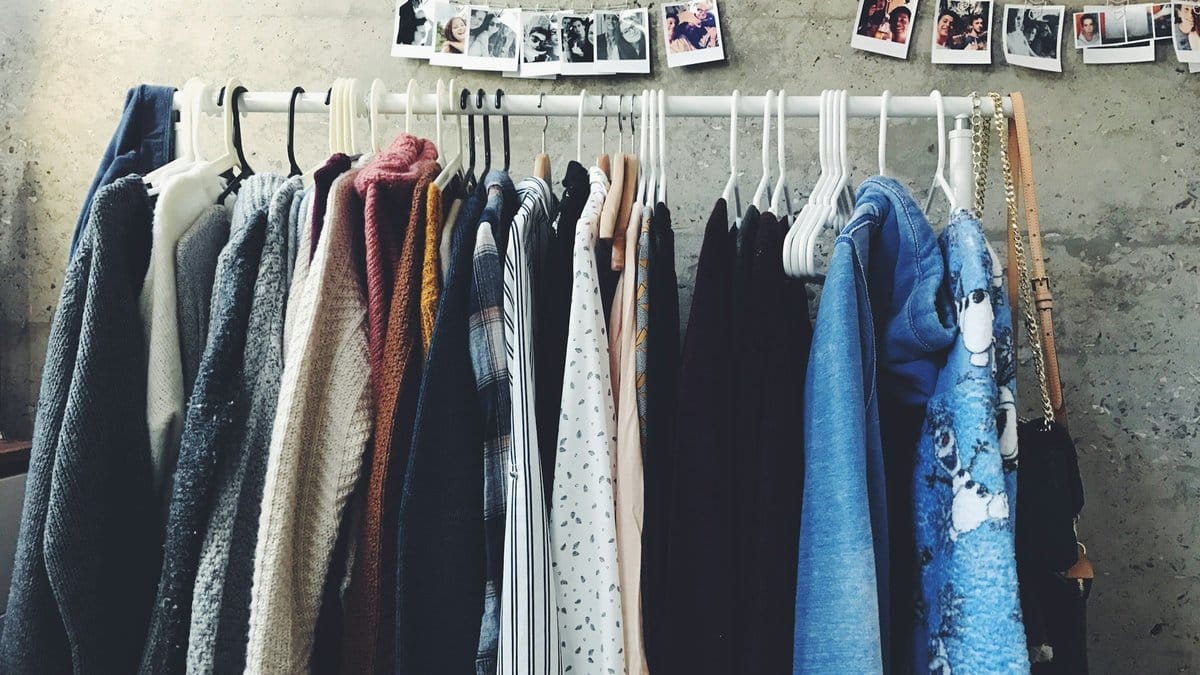
Most closets are only partially visible. Clothes get pushed to the back. Seasonal items disappear into storage. You end up wearing the same fraction of your wardrobe because that’s what you can see.
When you can actually see everything — laid out, organized, accessible — you realize how much you already have. Pieces you forgot about resurface. Combinations you never tried become obvious. The feeling of “nothing to wear” often comes from not being able to see what’s there, not from actually lacking options.
Wear things before judging them
Some pieces in your closet have never gotten a fair chance. They came in, got hung up, and faded into the background before you really wore them.
Before deciding you need something new, try wearing what you have. Not just once — give pieces a few outings in different combinations. Sometimes clothes need context to come alive. The shirt that felt boring on its own might be exactly right under a jacket you never paired it with.
Stop comparing to curated feeds
The people showing you their wardrobes online have spent hours curating those images. They’ve chosen the lighting, the angle, the best pieces. What you’re seeing isn’t someone’s real morning — it’s a highlight reel.
Your closet doesn’t need to look like that. It needs to work for your actual life, your actual body, your actual mornings. The comparison is unfair and unhelpful.
Trust that enough is enough
At some point, you have enough clothes. Not a perfect wardrobe — no one has that. But enough to get dressed well for the life you actually live.
The must-have cycle works by keeping you from ever reaching that feeling. There’s always one more thing. Deinfluencing is partly about giving yourself permission to say: I have what I need. I can stop looking.
When to Actually Buy Something
Deinfluencing doesn’t mean never shopping again. It means shopping intentionally instead of reactively.
You might genuinely need something new when:
- A piece you wear constantly is worn out and needs replacing
- Your life has changed and you have a real gap (new job, new climate, new activity)
- You’ve identified a specific hole that’s limiting your outfit options
The Before-You-Buy Flowchart is a printable decision tree for exactly this moment — it walks you through whether a purchase fills a real need or just scratches an itch.
The key is that you’re responding to your actual wardrobe, not to external pressure. You’ve looked at what you have, identified what’s missing, and you’re filling a genuine gap. That’s different from buying something because a video made it look good.
The Quiet Confidence on the Other Side
People who break the must-have cycle often describe a similar feeling: relief. The noise quiets. The anxiety lifts. Getting dressed stops being a referendum on whether you’re keeping up and starts being what it should be — a small, pleasant part of your morning.
You still notice trends. You might even follow some of them when they genuinely appeal to you. But you’re choosing from a place of security, not scarcity. Your closet feels like enough because you’ve decided it’s enough — not because it matches some external standard.
This is what building a sustainable wardrobe actually looks like. Not a perfectly curated minimalist closet. Just a calm relationship with the clothes you own and the confidence to tune out the rest.
This is one of the things Magnolia helps with — seeing your whole wardrobe clearly and discovering what you can do with what you already have. When everything is visible and you know how it works together, you stop needing external validation for what to wear. The answers are already there.
Frequently Asked Questions
Is deinfluencing just a trend itself?
The word might fade, but the feeling it describes is real. People are tired of the constant pressure to buy. Whether we call it deinfluencing or something else, the desire to step back from the must-have cycle isn’t going away.
What if I genuinely love fashion and shopping?
You can love both and still be intentional about them. Deinfluencing isn’t anti-fashion — it’s anti-anxiety. If shopping brings you joy and you’re doing it on your own terms, that’s different from shopping because you feel behind.
How do I know if I’m being influenced or inspired?
Check where the energy goes. If you want to experiment with your existing clothes, that’s inspiration. If you want to open a shopping tab, that’s influence. Both can come from the same content — the difference is in your response.
Won’t I miss out on things I’d actually love?
Maybe occasionally. But you’ll also skip dozens of things you’d have bought and never worn. The trade-off is worth it. And when something truly fits your style and your life, you’ll know — it won’t feel like pressure.
Image credits: Shanna Camilleri via Unsplash