
How to Make Your Clothes Last Longer
Your favorite jeans are fading. The sweater you love is starting to pill. The white t-shirt that used to look crisp now looks tired.
Meanwhile, there are pieces in your closet that look almost new — because you barely wear them.
This is the hidden cost of having favorites. The clothes you reach for constantly take all the wear. They fade, stretch, and deteriorate while the rest of your wardrobe sits untouched. Then you replace the worn-out favorites, and the cycle repeats.
Making clothes last longer involves two things: taking better care of what you wear, and spreading the wear more evenly across your wardrobe. Both matter.
The Rotation Challenge
Most people wear about 20% of their clothes 80% of the time. Those pieces carry the entire load — washed more, worn more, stressed more. They wear out faster than they should.
The solution is using more of your wardrobe. When you rotate through more pieces, each one gets less wear, less washing, and lasts longer. Your favorites stay in better condition because they’re not doing all the work.
This is easier said than done. We reach for the same things because they’re easy, they fit well, or we know they work. Breaking that habit requires intention.
A few things that help:
-
See your full wardrobe. Clothes pushed to the back of the closet don’t get worn. Reorganize so everything is visible. An inventory of what you own can reveal pieces you’ve been neglecting.
-
Let pieces rest. After wearing something, give it a few days before wearing it again. This lets fibers recover and reduces the frequency of washing.
-
Build more outfits around overlooked pieces. If you always reach for the same black trousers, challenge yourself to build outfits around a different pair for a week. The goal is spreading wear across your wardrobe.
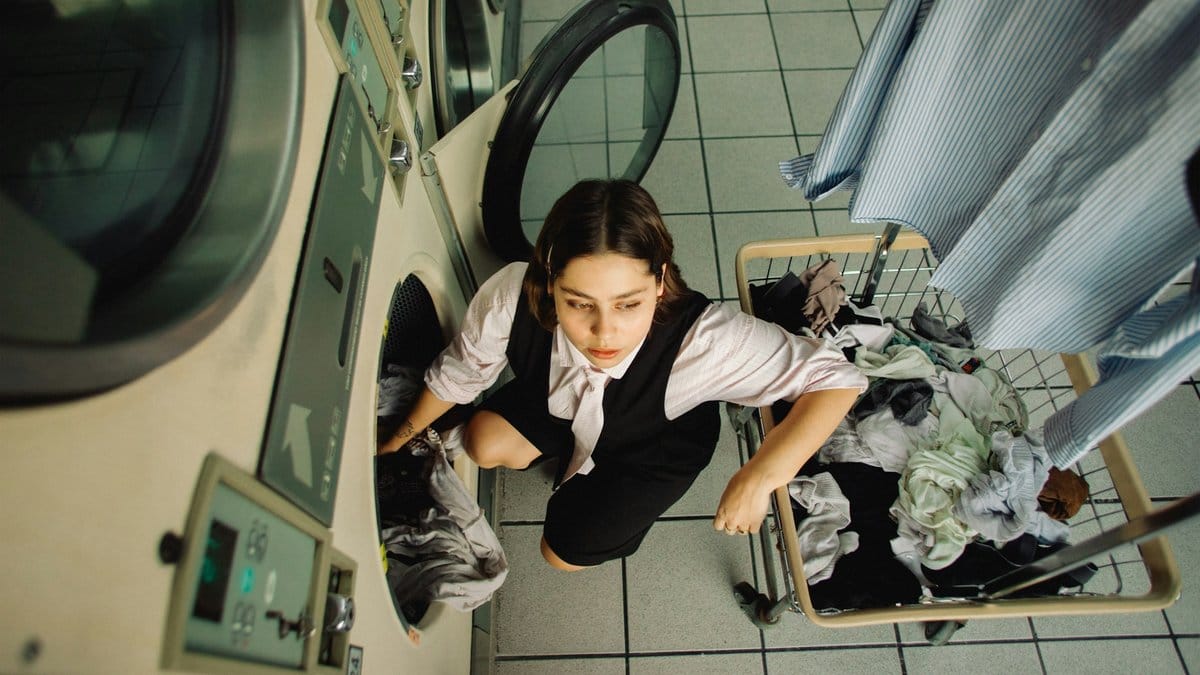
Washing: Less Is More
Washing is the single biggest cause of clothing deterioration. Every wash cycle stresses fibers, fades colors, and breaks down fabric. The less you wash, the longer your clothes last.
Wash less frequently
Most clothes don’t need washing after every wear. Unless something is visibly dirty or smells, it can often go another round:
- Jeans: Every 5–10 wears, or longer. Spot-clean stains instead of full washes.
- Sweaters and knits: Every 3–5 wears, unless worn against bare skin.
- Blazers and structured pieces: Rarely — spot-clean and air out instead.
- T-shirts and underwear: After every wear.
Airing clothes out between wears helps them stay fresh longer. Hang them in a ventilated space rather than throwing them straight into the hamper.
Wash gently when you do wash
- Cold water. Hot water breaks down fibers and fades colors faster. Cold works for most loads.
- Inside out. Turn clothes inside out to protect the visible surface from friction.
- Gentle cycle. The regular cycle is more aggressive than most clothes need.
- Less detergent. More soap doesn’t mean cleaner clothes — it means residue buildup. Use the recommended amount or less.
- Skip the dryer when possible. Heat is hard on fabric. Air drying is gentler. If you do use a dryer, use low heat.
Separate thoughtfully
Wash similar fabrics and colors together. Heavy items like jeans can damage delicate fabrics. Dark colors can bleed onto lights. Zippers and hooks can snag knits. A little sorting prevents a lot of damage.
Storage: Where Clothes Live Matters
How you store clothes affects how long they last.
Hang vs. fold
Not everything should hang. Knits and stretchy fabrics lose their shape on hangers — the shoulders distort, the fabric sags. Fold these instead.
What to hang:
- Structured pieces (blazers, coats, button-downs)
- Anything that wrinkles easily
- Dresses
What to fold:
- Sweaters and knits
- T-shirts
- Jeans and casual trousers
- Anything stretchy
Give clothes room
Cramming clothes together causes wrinkles, creases, and fabric stress. If your closet is packed tight, pieces get crushed and misshapen. Leave some breathing room between hangers.
Protect seasonal items
Clothes stored for months need protection. Clean everything before storing — dirt and oils attract pests and can set stains over time. Use breathable garment bags or cotton storage bins, not plastic (which traps moisture). Cedar blocks or lavender sachets help deter moths.
Keep shoes in shape
Shoes lose their form without support. Use shoe trees for leather shoes — they absorb moisture and maintain shape. Store boots upright or stuff them so they don’t collapse.
Basic Repairs: Small Fixes, Big Impact
Minor damage, left alone, becomes major damage. A loose button falls off and gets lost. A small tear becomes a large one. A tiny hole grows. Catching problems early keeps clothes wearable.
What you can fix yourself
- Loose buttons. Reattach before they fall off. Keep spare buttons (most clothes come with them) and a basic sewing kit.
- Small tears and open seams. A few stitches can close a seam that’s coming apart. This is basic hand-sewing — you don’t need a machine.
- Pilling. Fabric pills are those little fuzz balls that form on sweaters and knits. A fabric shaver or sweater stone removes them and makes the garment look new again.
- Loose hems. Hem tape or a few stitches can fix a hem that’s coming undone.
When to see a tailor
Some repairs need professional help:
- Zipper replacement
- Significant alterations
- Reweaving holes in fine knits
- Leather and suede repairs
A good tailor can also extend the life of clothes by making fit adjustments as your body changes, or by updating details that feel dated.
Fabric-Specific Care
Different fabrics need different treatment.
Denim
Jeans last longest when washed rarely. Spot-clean stains, air them out between wears, and wash inside out in cold water when you do wash. Some people freeze jeans to kill bacteria instead of washing — it works, though results vary.
Wool and cashmere
Wash infrequently, by hand or on the delicate cycle with cold water. Lay flat to dry — hanging stretches wet wool. Store with moth protection. Pilling is normal; remove it with a fabric shaver.
Cotton
Durable but prone to shrinking in heat. Wash in cold water and avoid high dryer heat. White cotton yellows over time — occasional washing with oxygen bleach (not chlorine) helps.
Silk
Hand wash or dry clean. Silk is delicate but durable when cared for properly. Keep away from direct sunlight, which fades it. Steam rather than iron to remove wrinkles.
Synthetics
Polyester and nylon are tough but can hold odors. Wash in cold water with good detergent. Avoid high heat in the dryer — synthetics can melt or warp.
The Bigger Picture
Caring for your clothes is part of building a sustainable wardrobe. The greenest piece of clothing is the one already in your closet, worn for years instead of months.
Every piece you extend the life of is a piece you don’t need to replace. That saves money, reduces waste, and means your wardrobe stays familiar — full of things you know and love rather than constant replacements you’re still figuring out.
Before you can care for your wardrobe, you need to know what’s in it. A closet cleanout helps you identify what’s worth investing care into — and what’s just taking up space.
Frequently Asked Questions
How do I know if something is worth repairing?
Ask yourself if you’d wear it regularly once it’s fixed. A beloved piece with a broken zipper is worth repairing. Something you barely wore before it broke probably isn’t.
Do expensive clothes last longer?
Sometimes. Price often correlates with fabric quality and construction, which affect durability. But cheap clothes well cared for can outlast expensive clothes that are neglected. Care matters more than price tag.
What’s the single most impactful thing I can do?
Wash less. Most clothing damage comes from washing. If you change nothing else, reducing wash frequency will noticeably extend the life of your clothes.
Image credit: Ramses Cervantes via Unsplash